Case studyR&D · UX · AI/ML · Prototyping
Tutu
An AI-based companion for the elderly
- Collaboration
- Dentsu Creative
- Duration
- 6 weeks
- Year
- 2025
- Exhibited
- Dutch Design Week
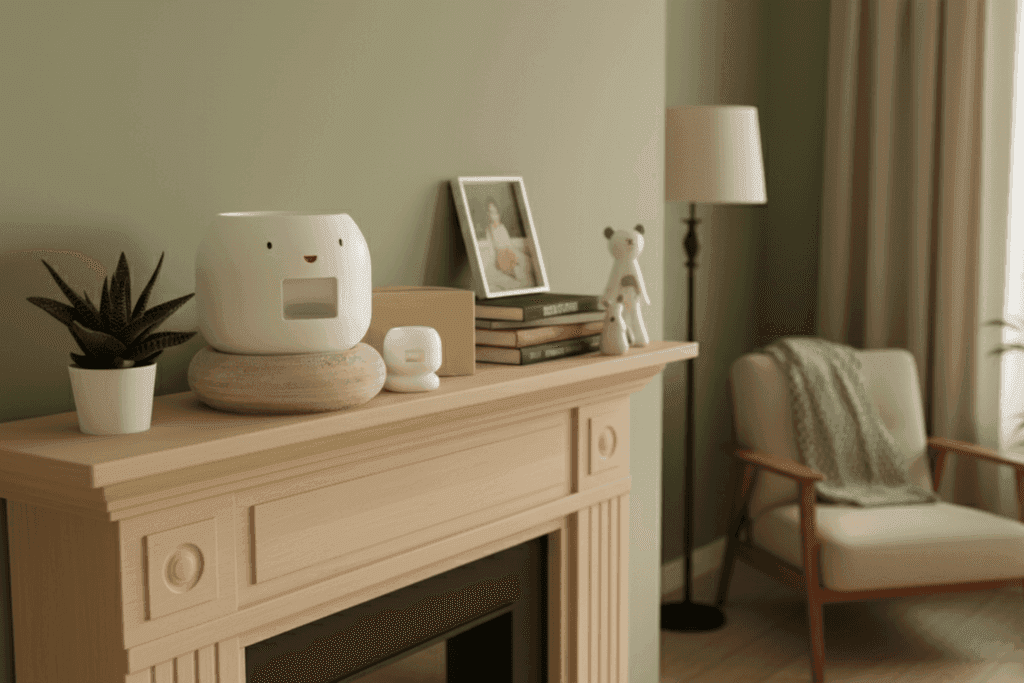
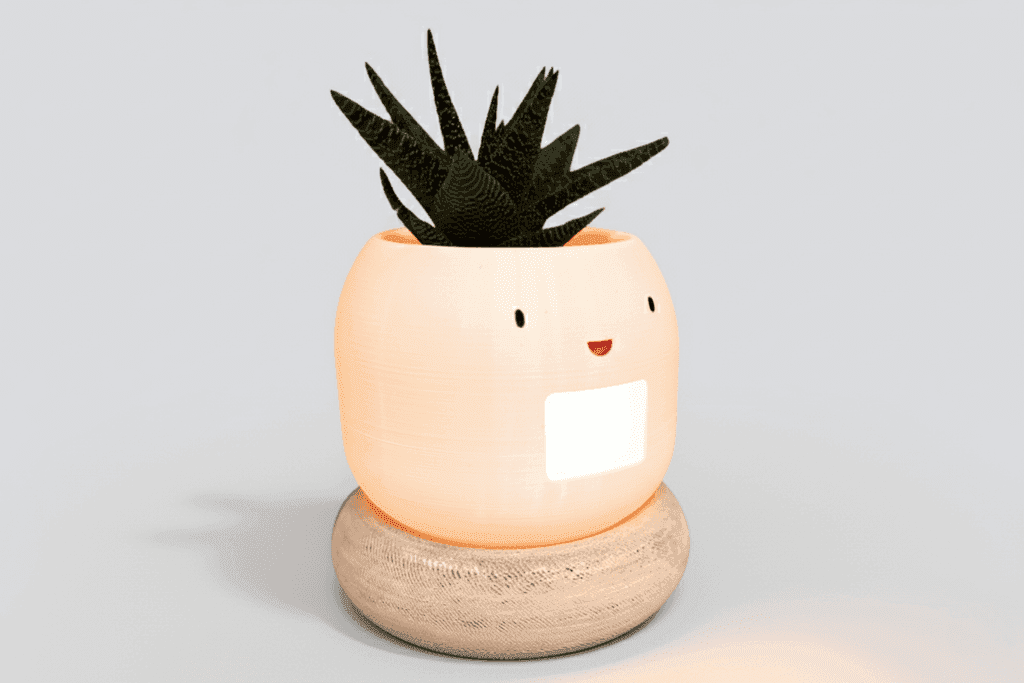
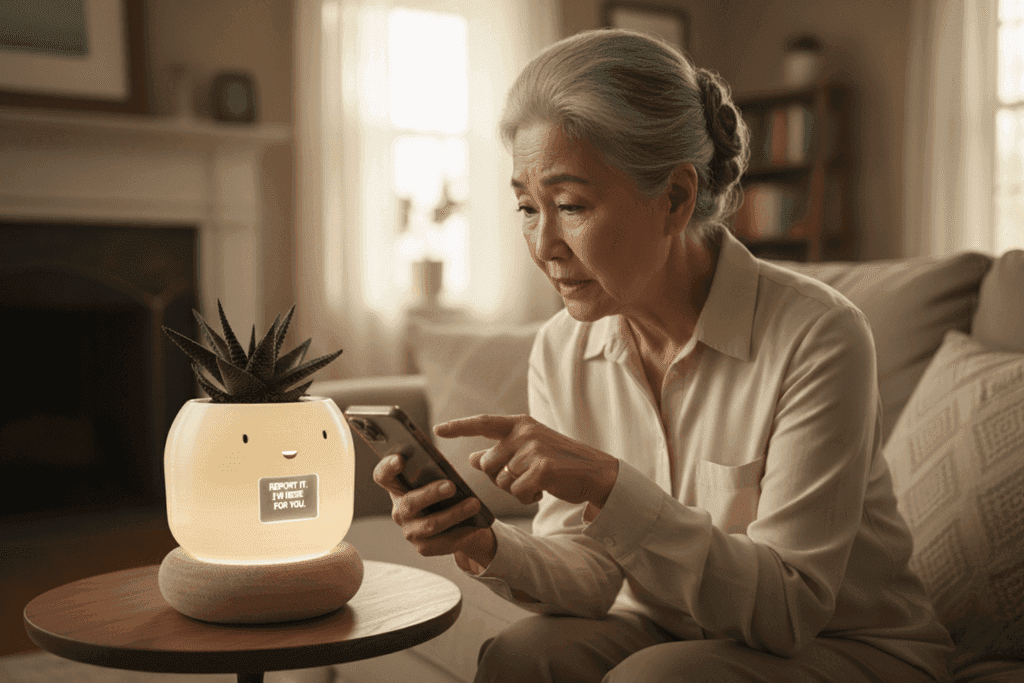
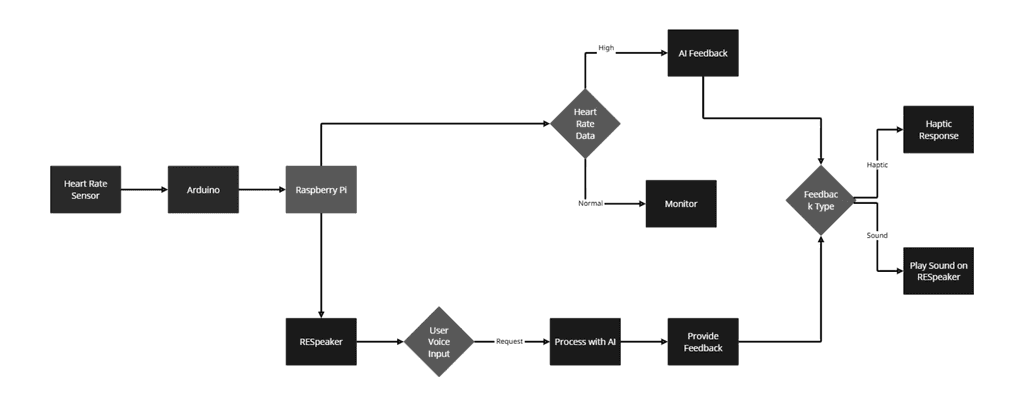
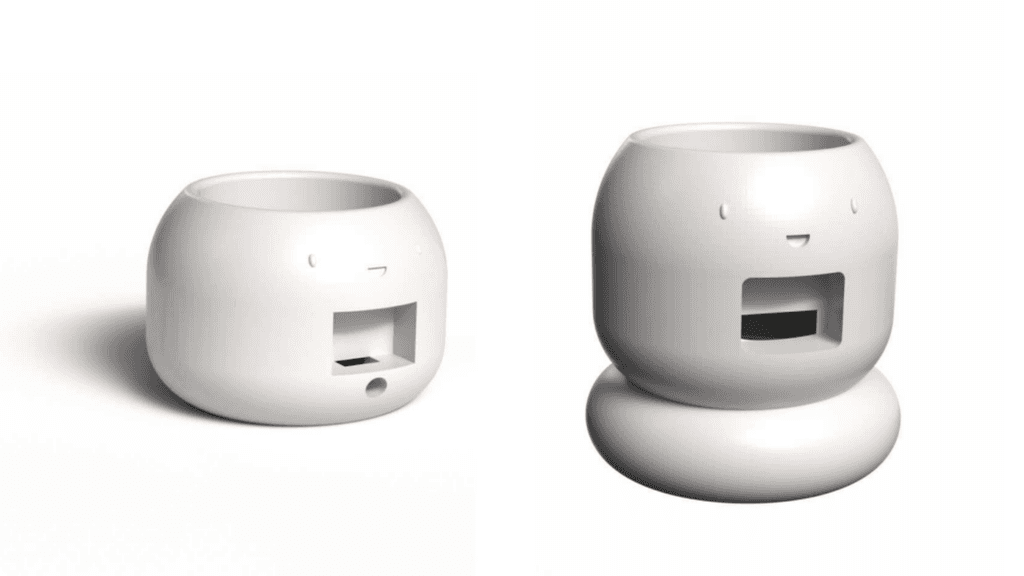
SummaryTutu is a tangible, screen-free AI companion that supports older adults with emotional comfort and stress management. It senses heart rate, responds with calm spoken guidance, holds conversations, helps people recognise scams, and guides breathing with light and haptics.
01Tutu
The challenge
By 2030, one in six people worldwide will be aged 60 or older.
Many older adults face loneliness, social isolation, stress and anxiety, which affect their well-being, independence and quality of life. Yet many technologies prioritise innovation over the real needs of elderly users.
How can we close that gap with intuitive devices that offer emotional support, encourage social connection and promote independence?
02Tutu
Value delivered
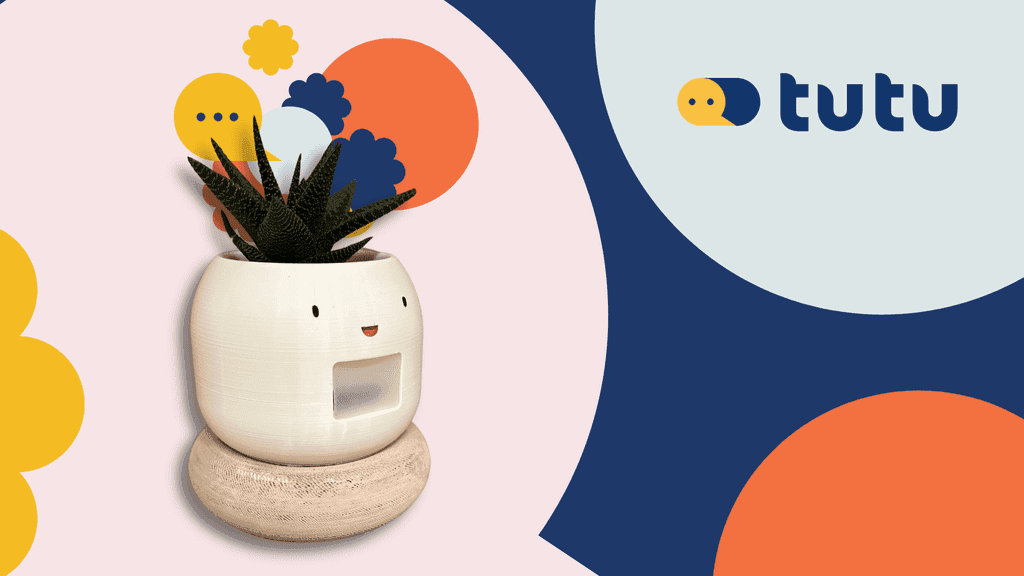
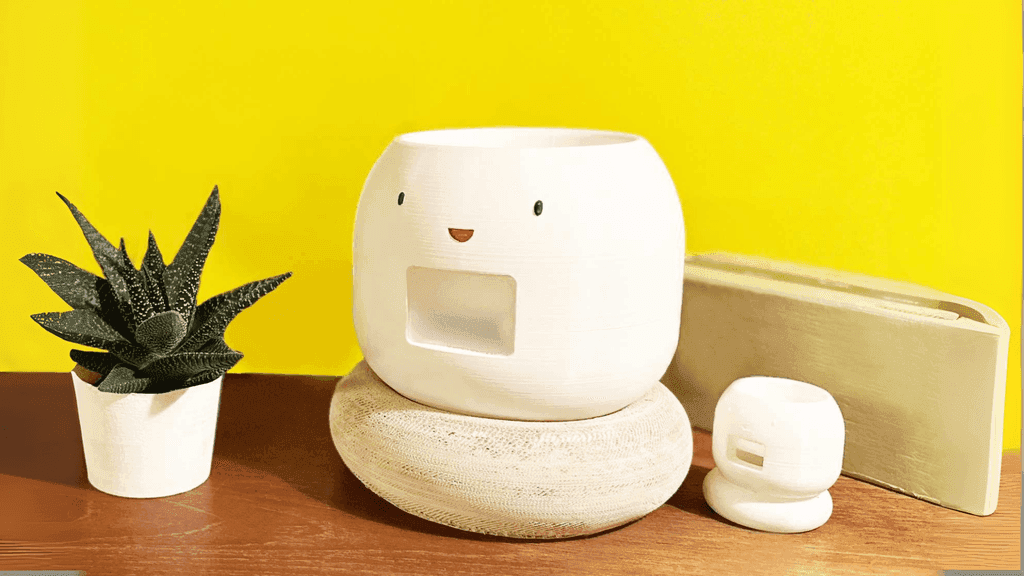
Tutu uses real-time physiological monitoring, like heart rate sensing, together with haptic feedback to deliver personalised guidance and reassurance. Through a calming physical presence and simple interactions, it builds confidence, encourages social engagement and improves quality of life.
03Tutu
Research
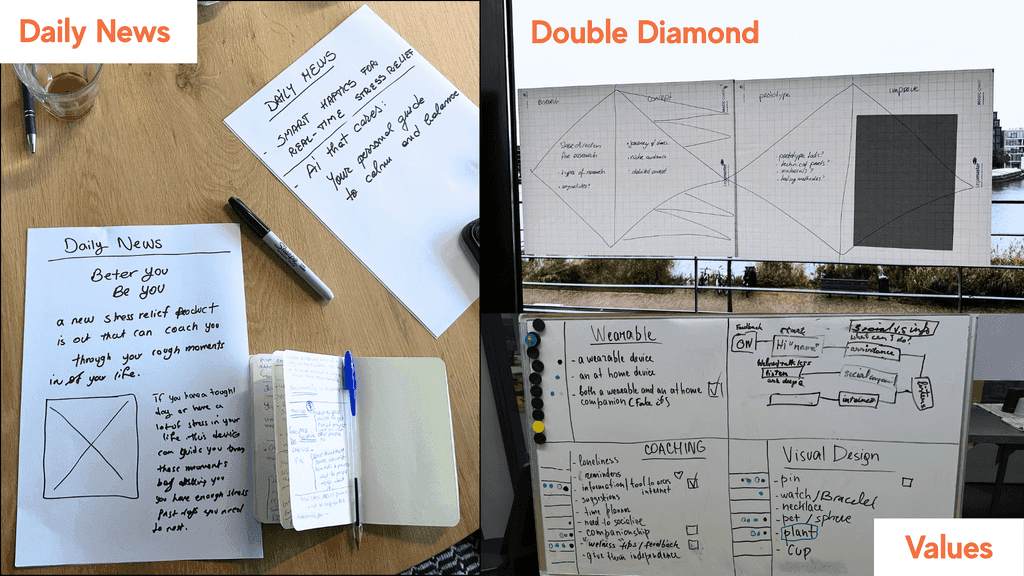
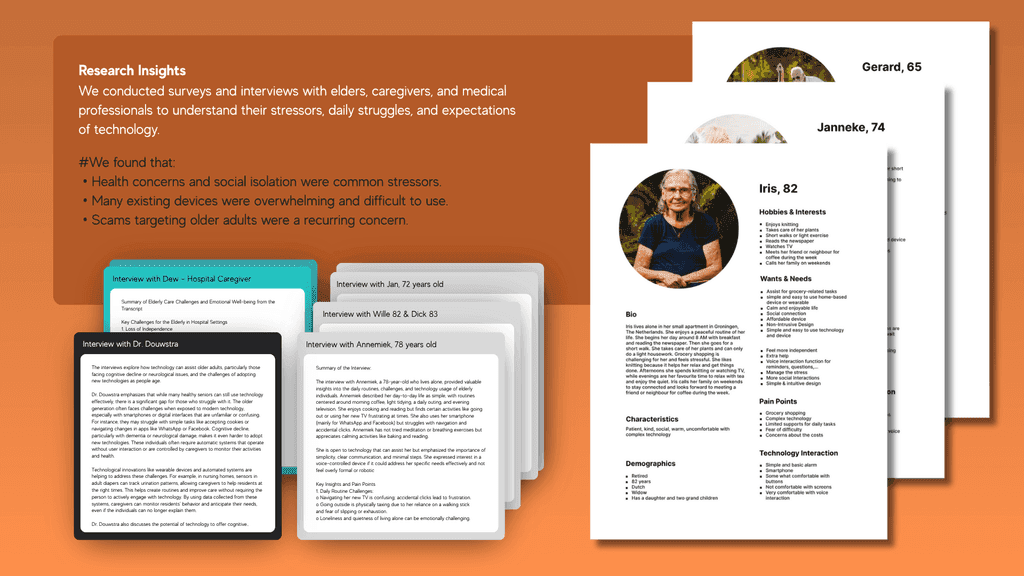
Literature, questionnaires, expert interviews (including neuropsychologist Dr. Jelte Douwstra) and conversations with security and computer science experts surfaced what mattered:
- 01
Who
Most participants lived alone and were aged 60 to 80+.
- 02
Input
Physical buttons were preferred; voice instructions got mixed feedback.
- 03
Barriers
Small text, unclear instructions, unfamiliar tools and affordability.
- 04
Emotion
Older people often avoid voicing emotions; they show in behaviour instead.
- 05
Stress
Phone calls, shopping and cleaning were stressful; reading, gardening and painting relaxing.
04Tutu
Why the elderly
We chose older adults over healthcare and workplace audiences to make something meaningful for a group most products overlook, and to avoid designing only for people like us. One teammate lived in an elderly home, which made it easier to engage with residents. The core values became emotional support and companionship, independence, and access to the internet.
05Tutu
The build
- 01
Sensor
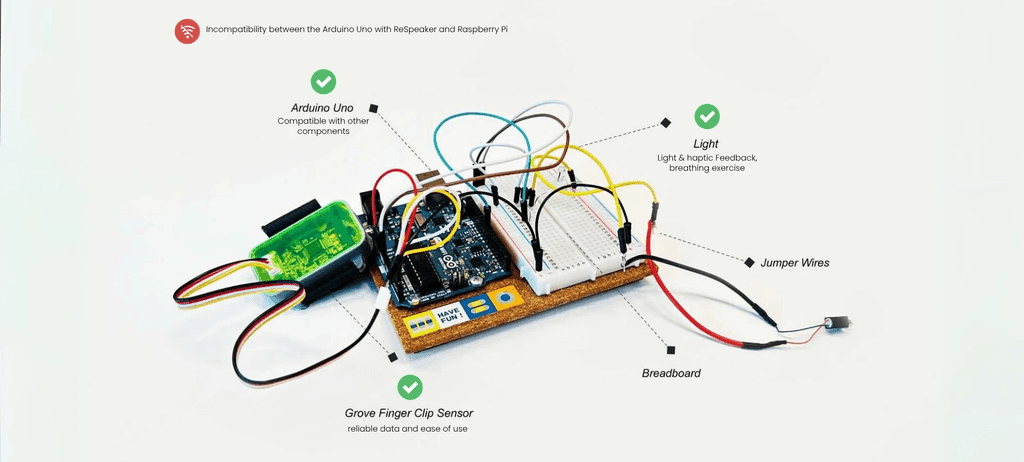
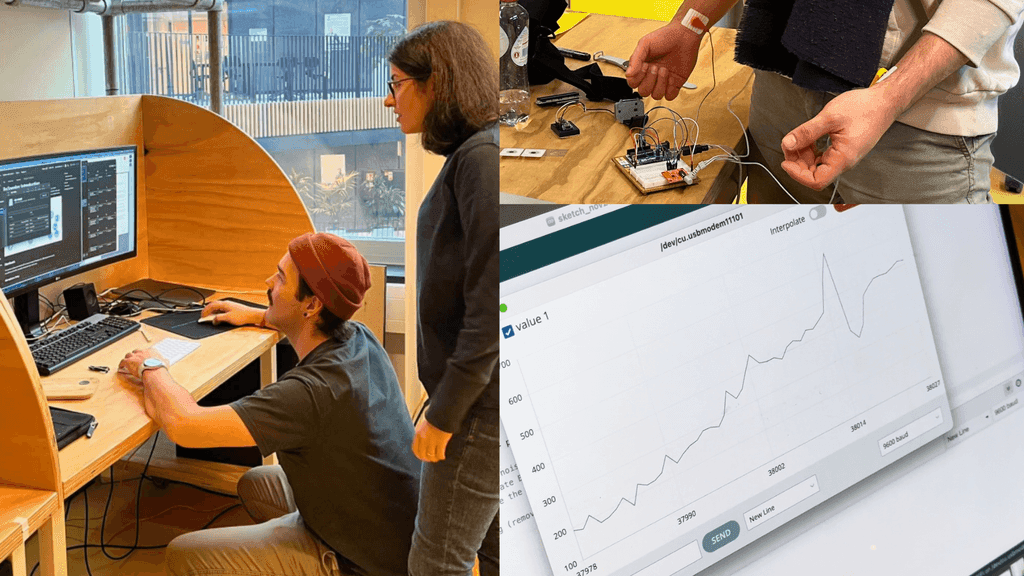
Three sensors tested; the Grove Finger Clip Sensor won on reliable data and ease of use.
- 02
Voice + AI
Google TTS, Whisper and Azure Speech compared; Azure chosen for clarity. GPT-4 Turbo powers the conversation.
- 03
Hardware
Raspberry Pi Zero 2 with a ReSpeaker 2-Mic hat, chosen over Pi 5 and Arduino Uno for compatibility.
- 04
Light + haptics
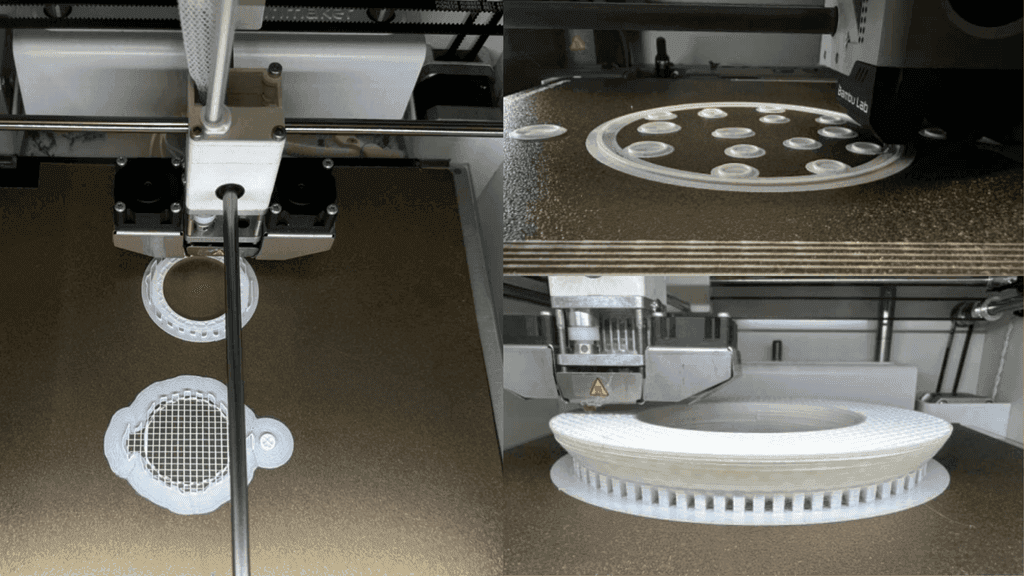
Three iterations of light patterns and breathing exercises, from basic to complex.
06Tutu
Challenges & solutions
- 01
Integration
Connecting Arduino, Raspberry Pi Zero 2 and ReSpeaker caused persistent issues.
- 02
Feedback
Bluetooth headphones were tested for haptics and light, but the ReSpeaker won on accessibility and comfort.
- 03
No screens
Screens with small text and complex UI were a barrier, so Tutu is entirely screen-free.
07Tutu
Dutch Design Week
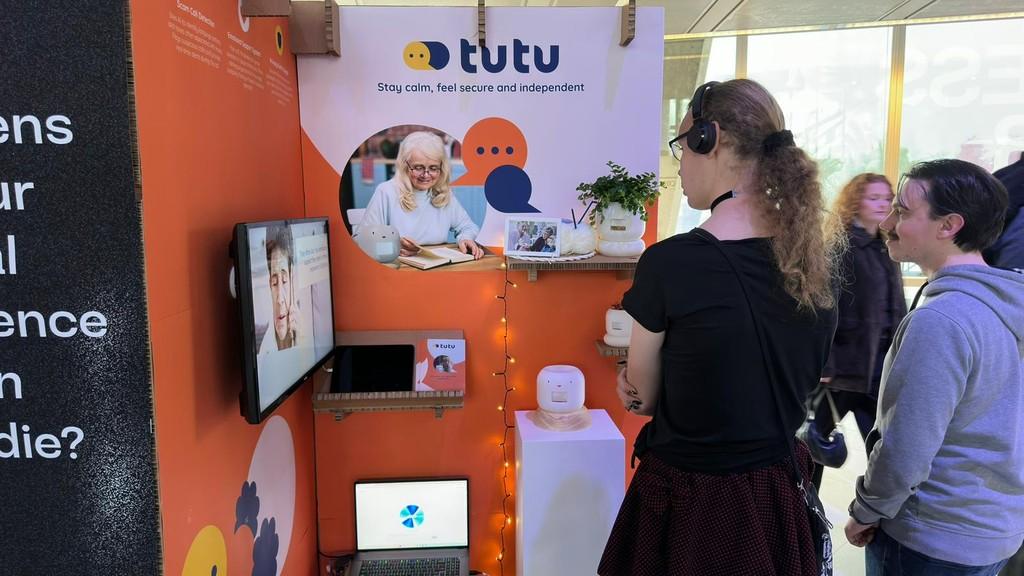
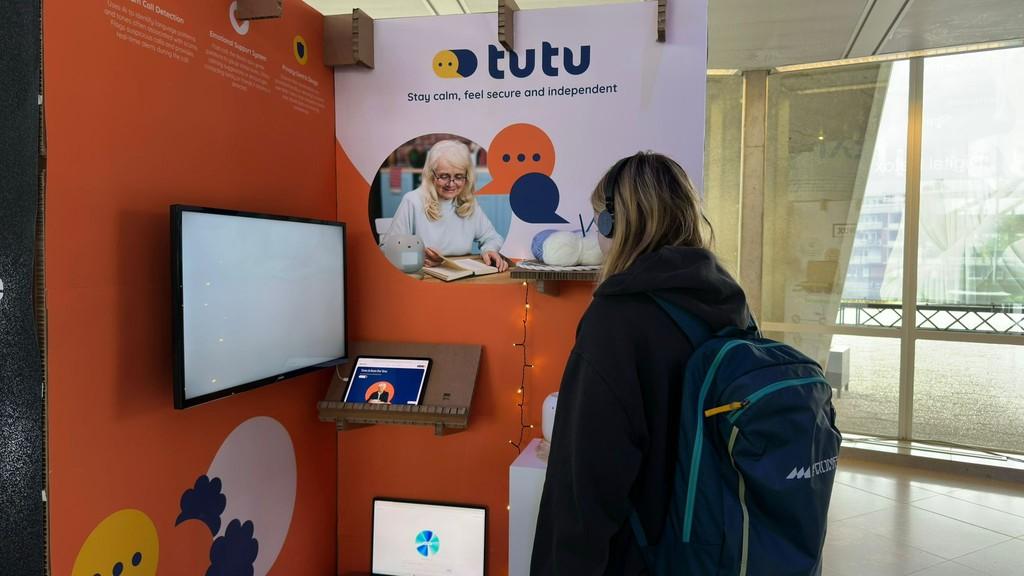
Tutu was listed in the Dutch Design Week programme, where visitors could meet the prototype in person.